 Skip to main content


Air Purification

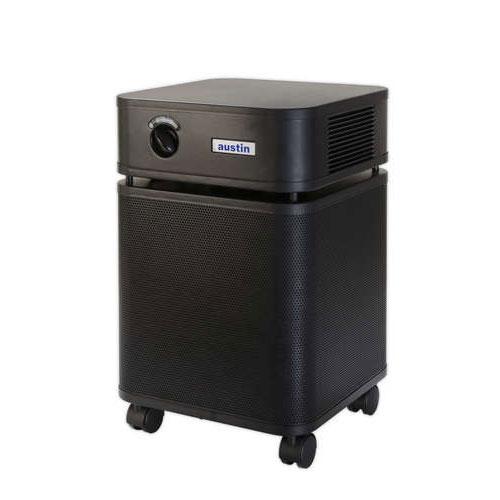
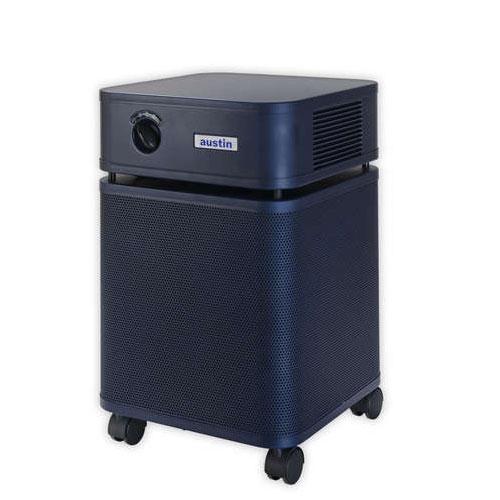
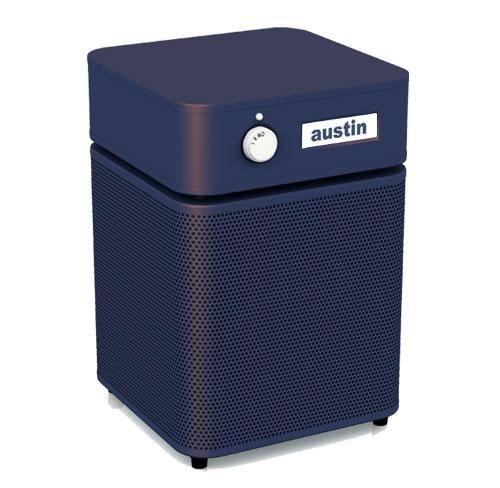
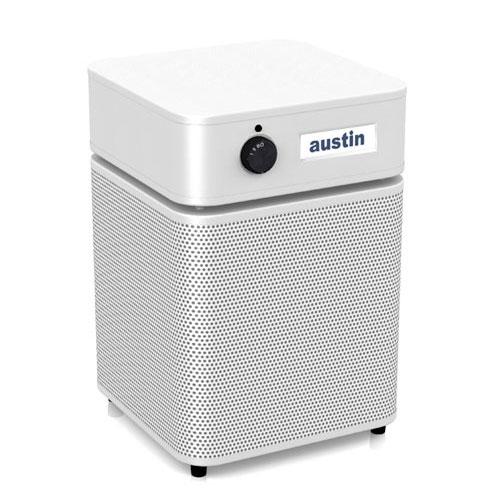

The Science of Clean Air: True HEPA Filtration
Indoor air quality (IAQ) is no longer a luxury, it is an essential environmental health consideration, especially with most people spending the large majority of their time indoors. Choosing a properly rated air purifier is a meaningful step for allergy and asthma control.
What "true HEPA" actually means: To be called true HEPA, a filter must remove at least 99.97% of airborne particles 0.3 microns in size, the hardest particle size to capture. This is a defined, testable engineering standard, not a marketing term. The U.S. EPA's Guide to Air Cleaners in the Home recommends properly sized true HEPA units, run continuously, as part of an allergy and asthma control plan.
Key Benefits
- Allergen Capture: True HEPA traps pollen, dander, mold spores, and dust mite allergen.
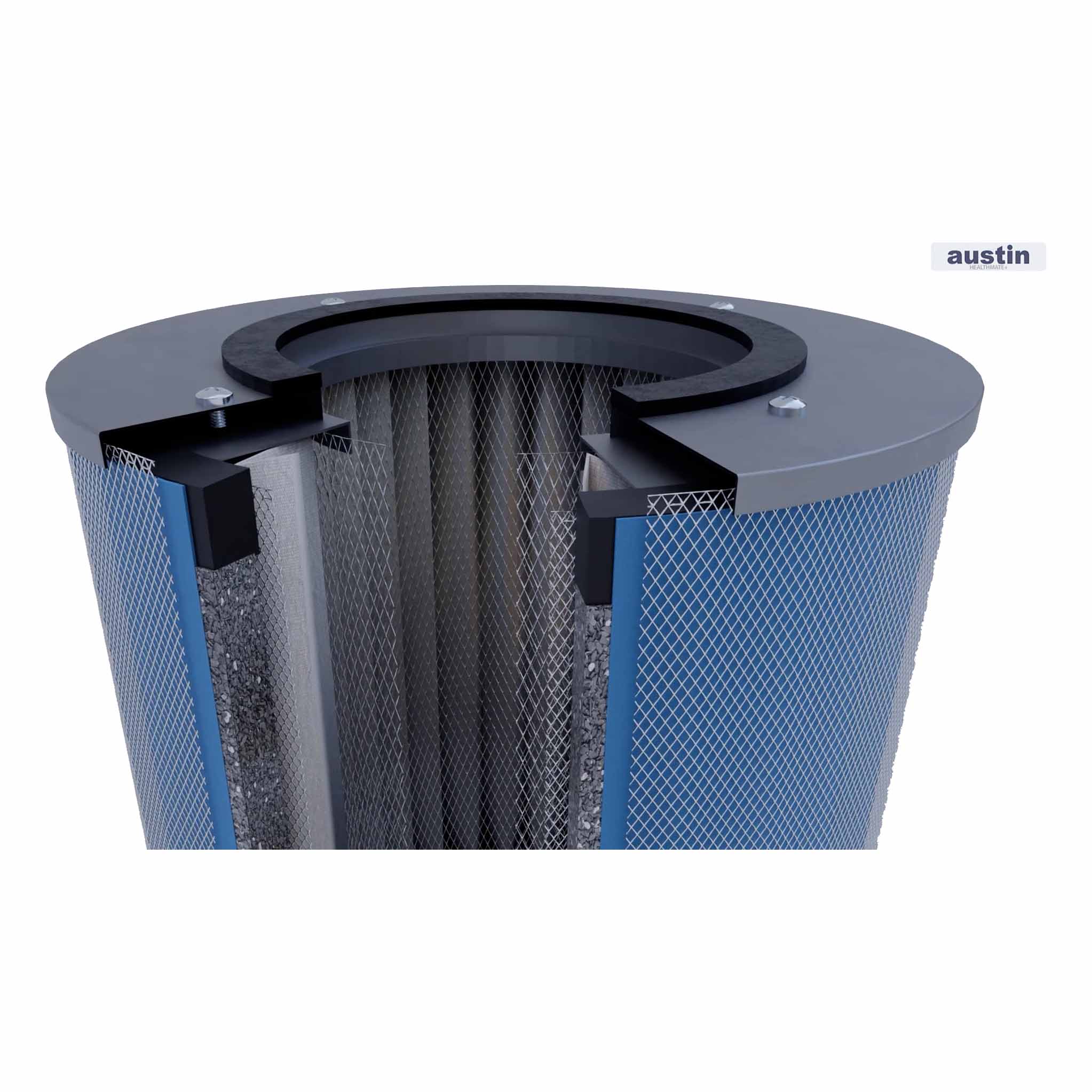
- VOC & Odor Removal: A substantial activated carbon bed, measured in pounds, absorbs smoke and chemicals; HEPA alone does not.
- Asthma Support: Reduces airborne triggers as part of a broader environmental control plan.
Buying Considerations
- Filter Class: Confirm true HEPA (99.97% at 0.3 microns), not "HEPA-type."
- Coverage: Size the unit to your room, ideally rated above your actual square footage for quiet, continuous operation.
- Maintenance: Compare long-term filter replacement costs against filterless technology.
Brand Comparison
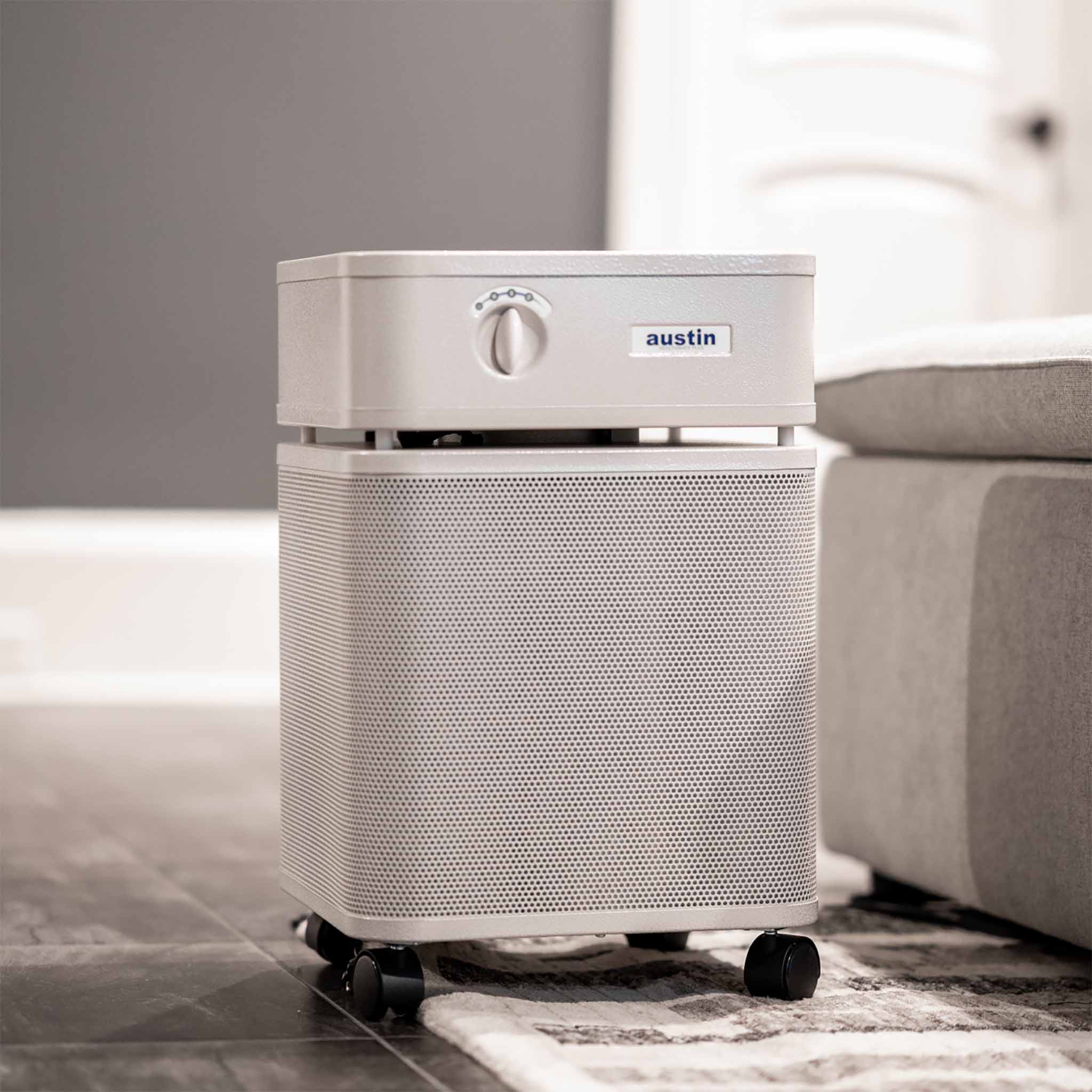
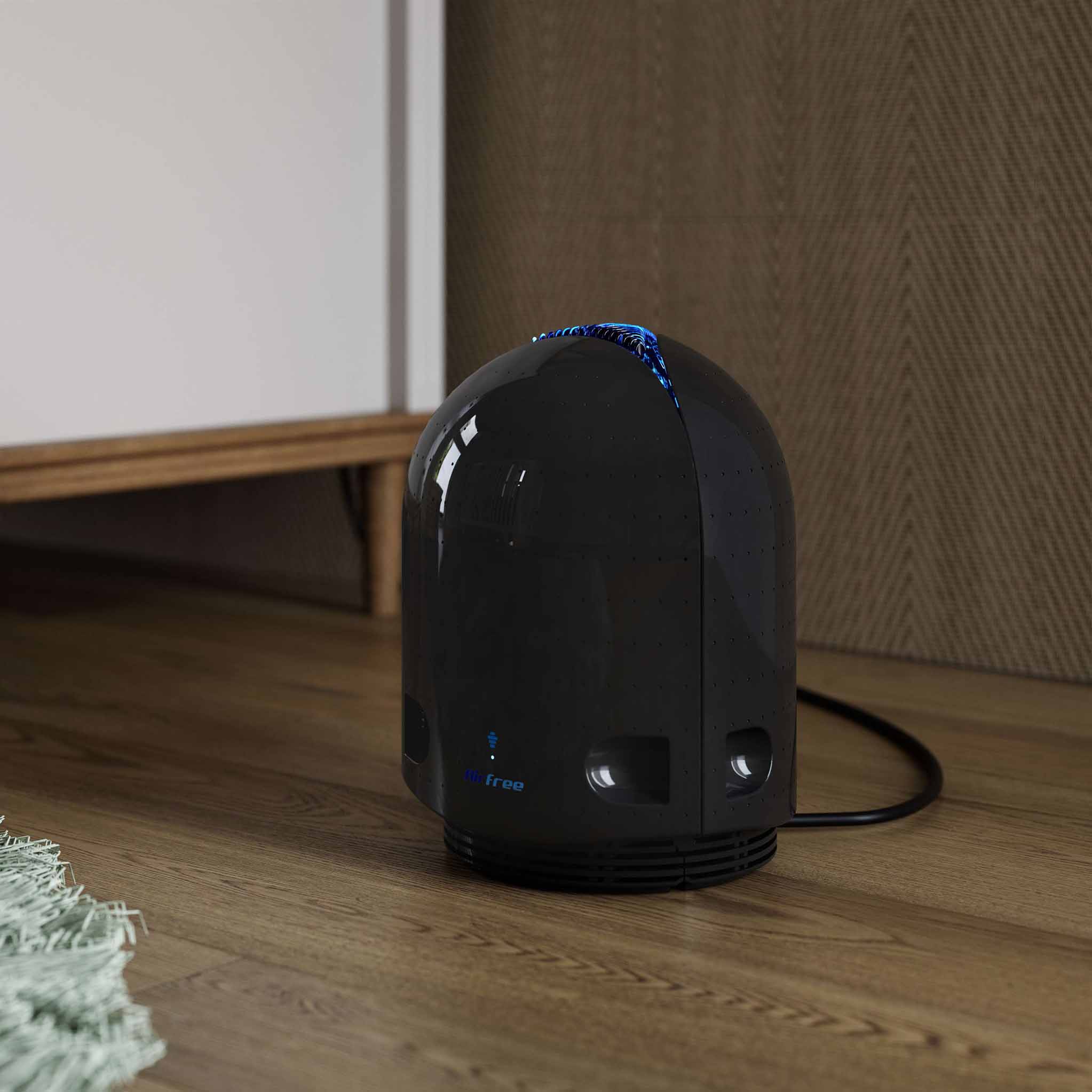
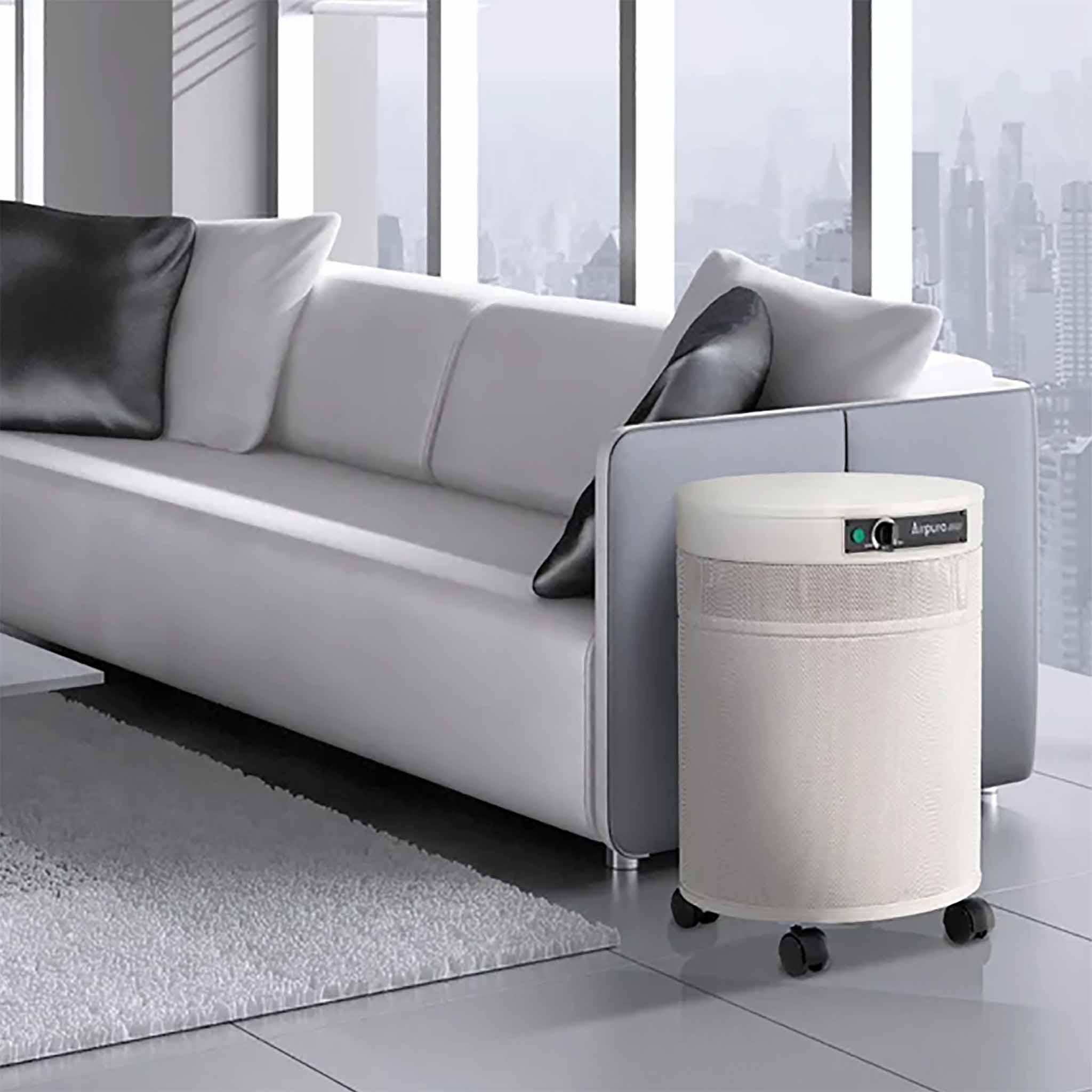
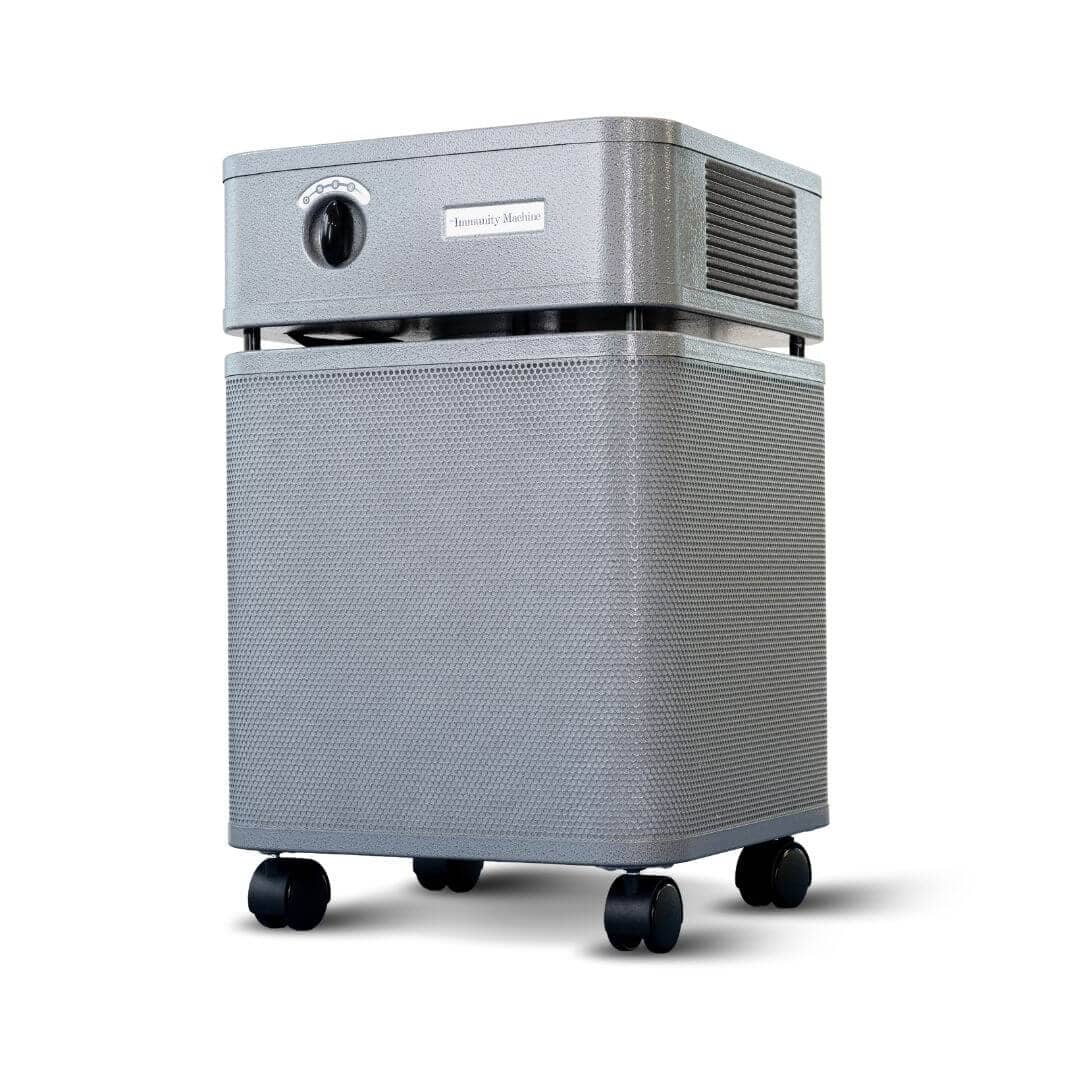
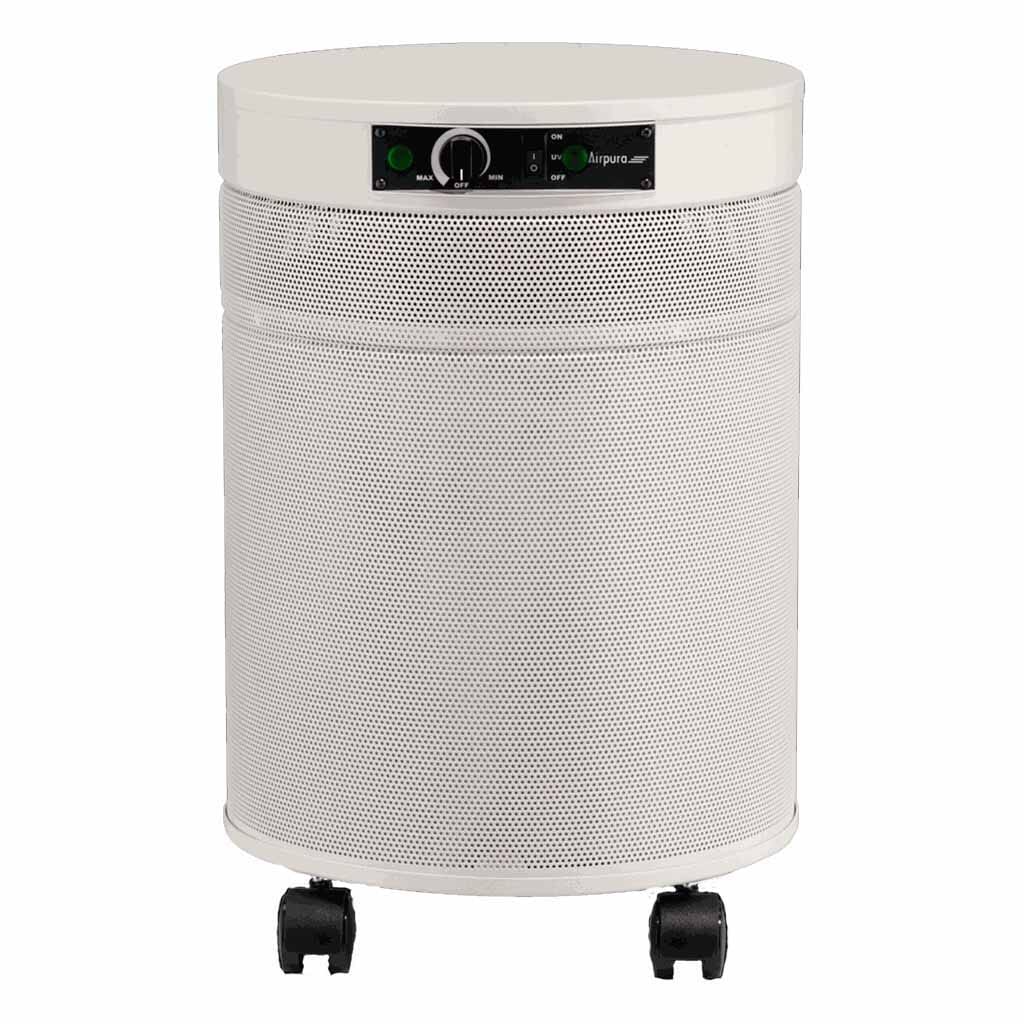
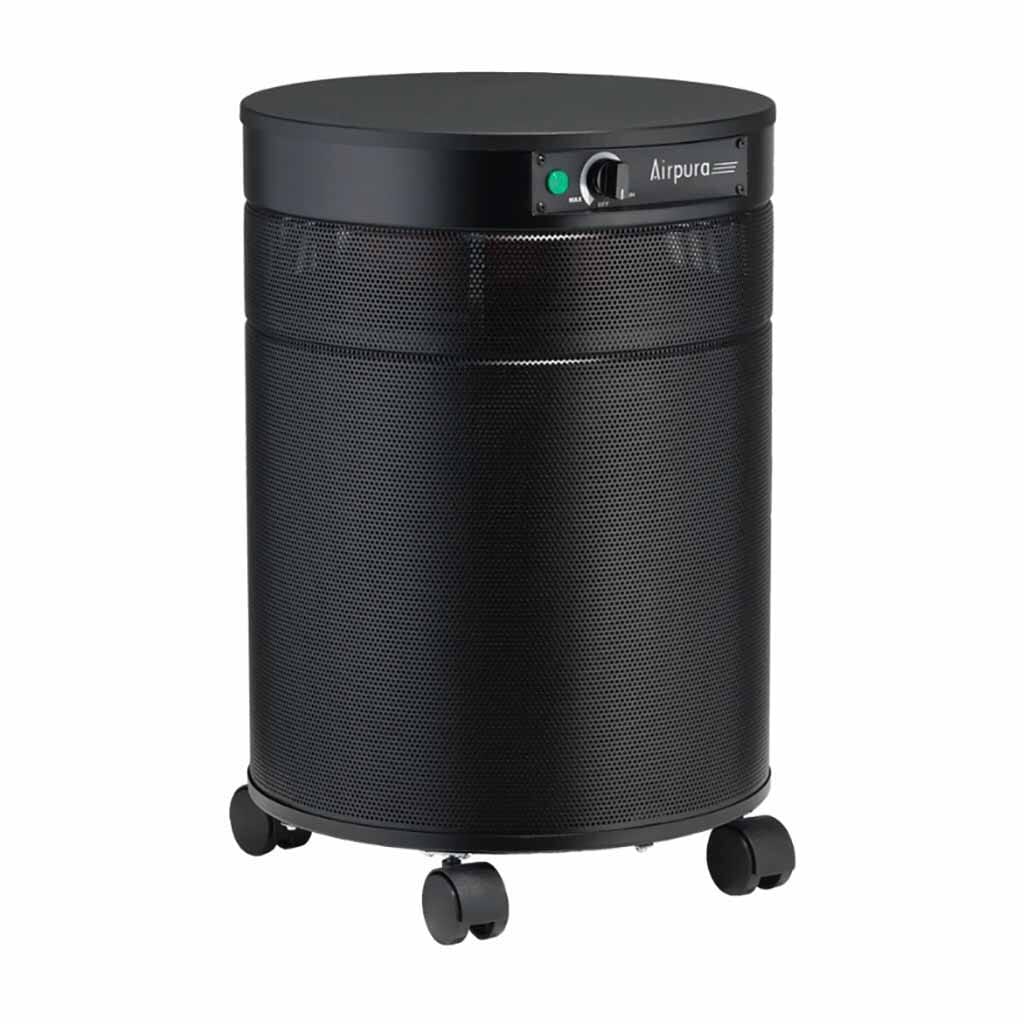
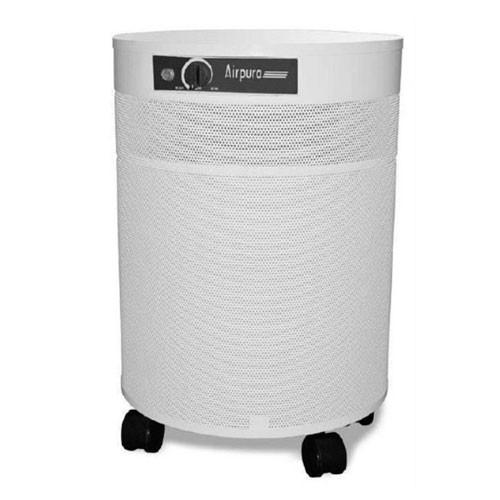
| Feature | Austin Air HealthMate | Airpura UV600 | Airfree Lotus |
|---|---|---|---|
| Best For | General allergy/asthma control, large rooms up to 1,500 sq ft | Mold spores and pathogens alongside general allergens, up to 2,000 sq ft | Small, quiet rooms where filterless operation matters most |
| Technology | True HEPA + 15 lb activated carbon/zeolite | True HEPA + in-chamber UV-C + 18 lb activated carbon | Filterless thermodynamic (heat-based, not HEPA) |
| Maintenance | 5-Year filter life | HEPA up to 5 years, carbon up to 2 years | No filters to replace |
Read our full air purifier buying guide for help matching a unit to your room size and symptoms.