 Skip to main content


Air Purification

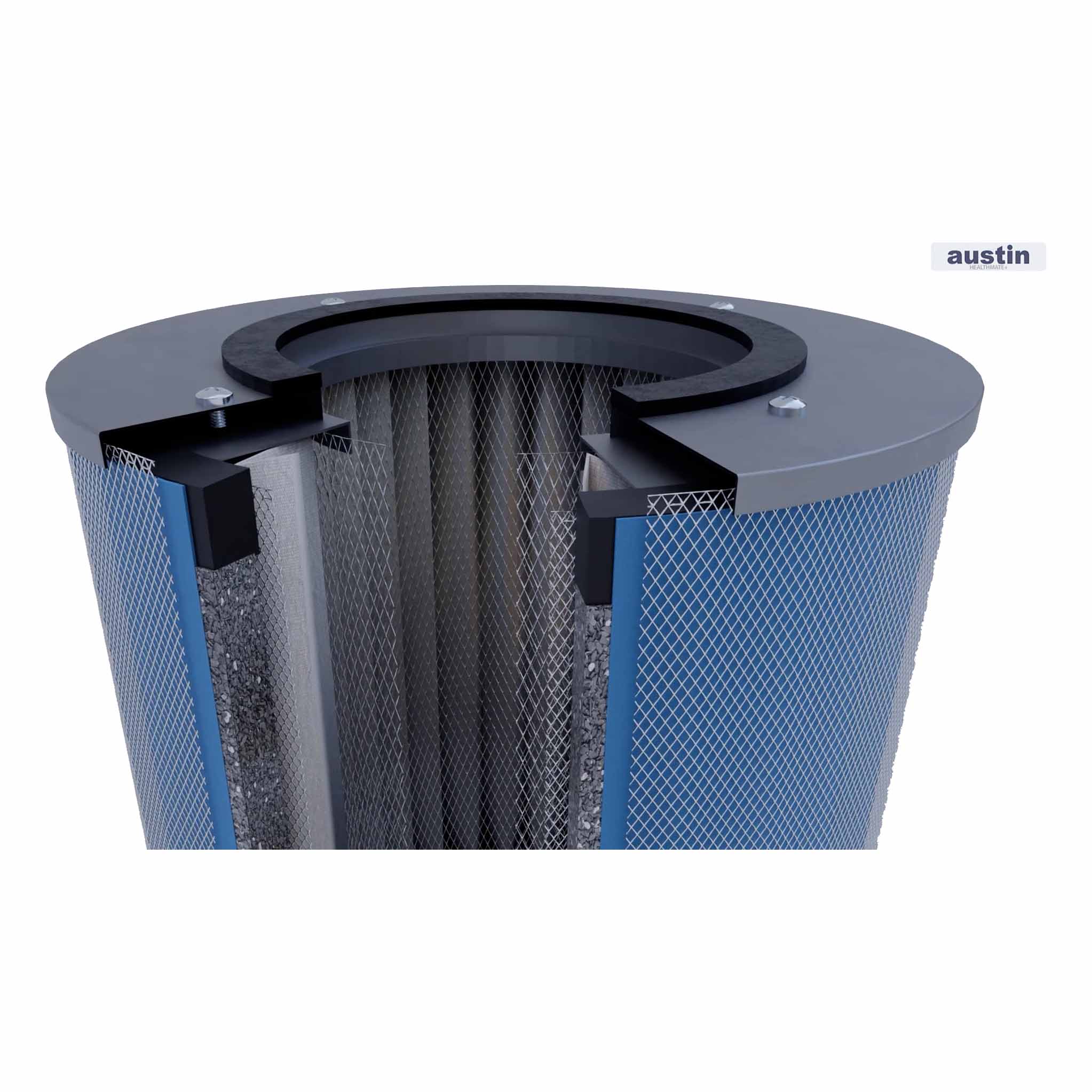
The Science of Clean Air: Medical-Grade HEPA Filtration
Indoor air quality (IAQ) is no longer a luxury—it is an essential environmental health requirement. With indoor air often 2 to 5 times more polluted than outdoor air, choosing a professional-grade purifier is vital for those spending 90% of their time indoors.
NASA & Harvard Research: True HEPA filters capture ultrafine nanoparticles as small as 0.01 μm. The Harvard T.H. Chan School of Public Health recommends high-quality HEPA units as a "layered defense" strategy to remove airborne viral particles and allergens.
Key Benefits
- Allergen Neutralization: Traps pollen, dander, and dust mite waste.
- VOC & Odor Removal: Activated carbon beds absorb smoke and chemicals.
- Asthma Support: Reduces triggers to help manage respiratory health.
Buying Considerations
- Filter Class: Demand True HEPA (H13/H14), not "HEPA-type."
- CADR Rating: Ensure the unit is sized for your room's square footage.
- Maintenance: Compare long-term filter costs vs. filterless tech.
Expert Brand Comparison
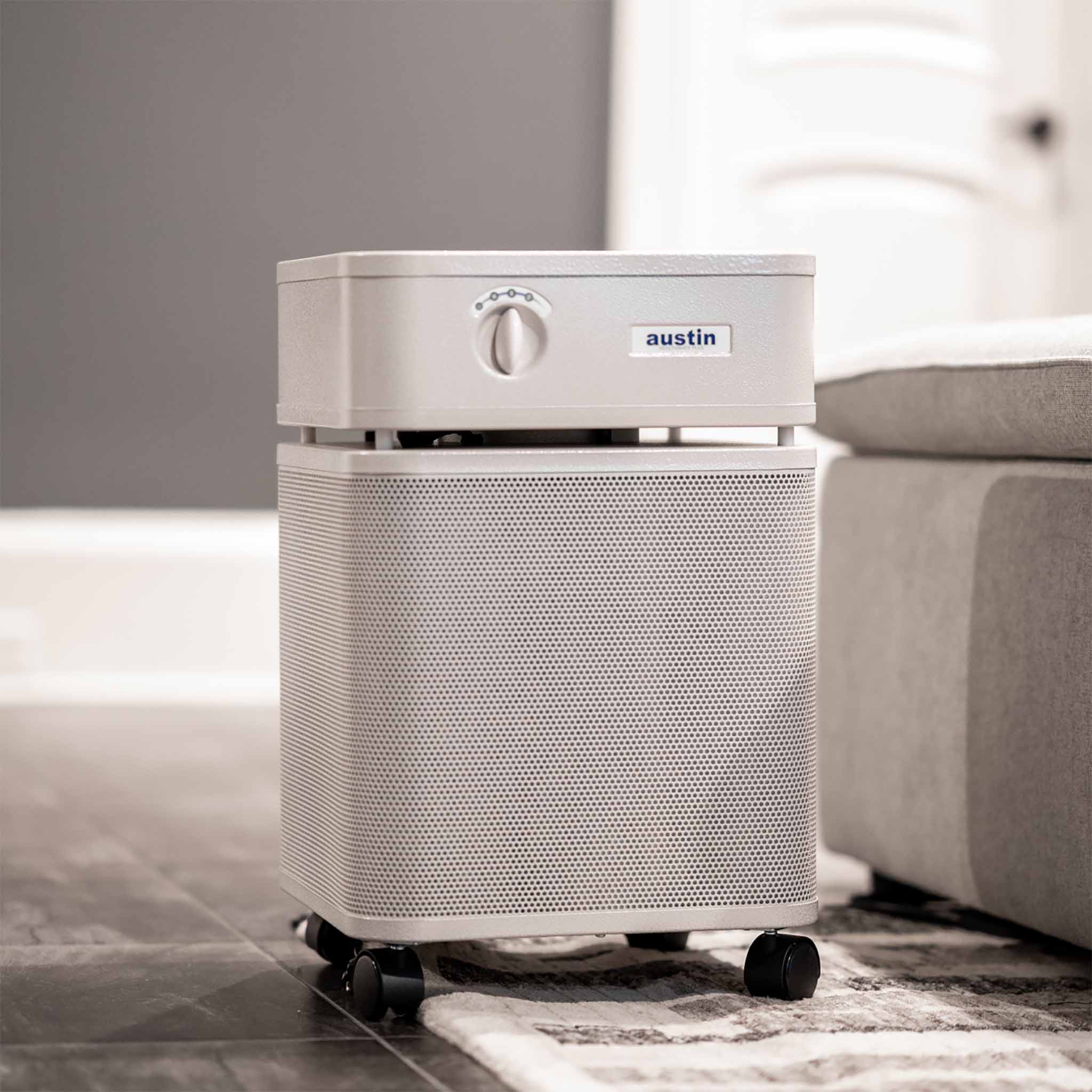
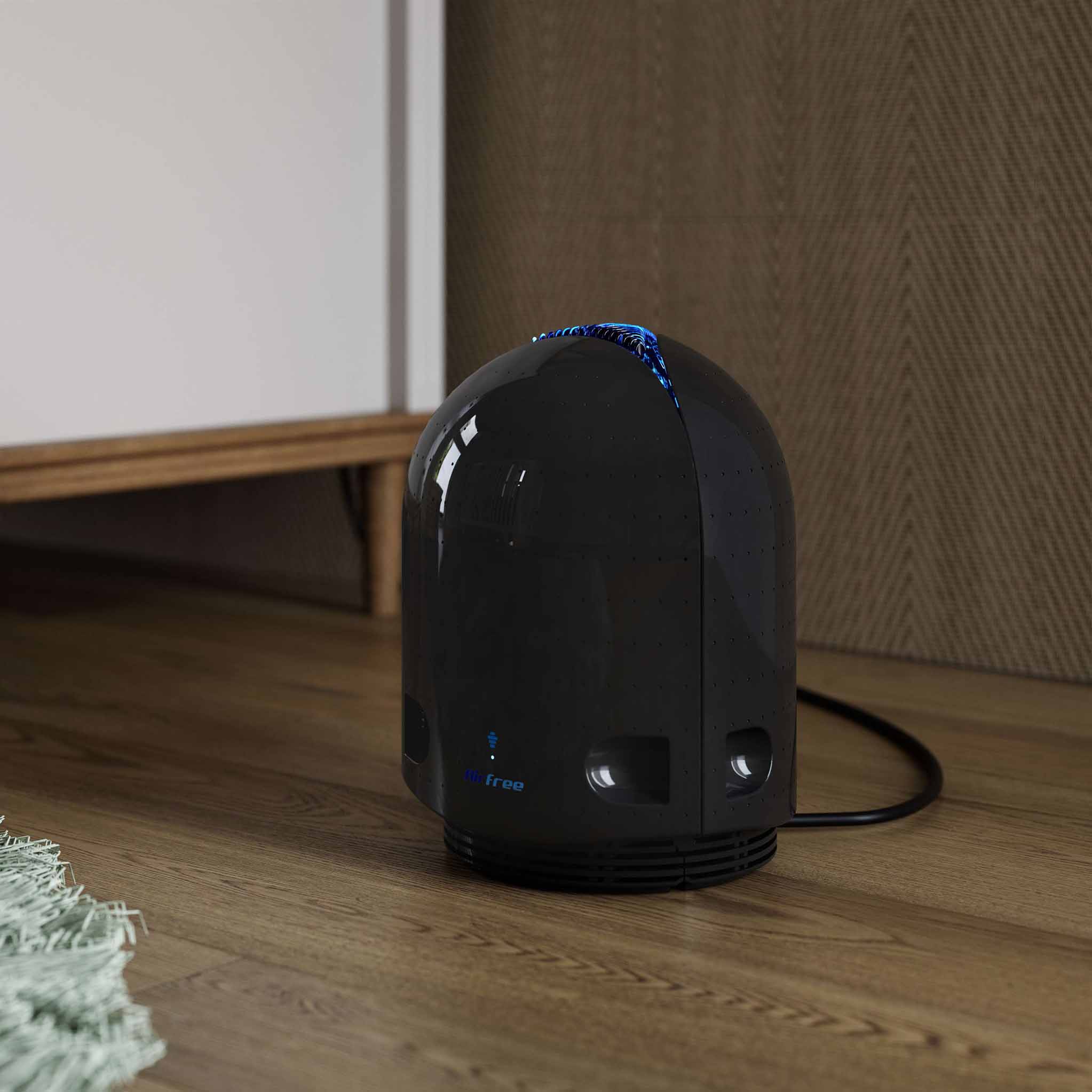
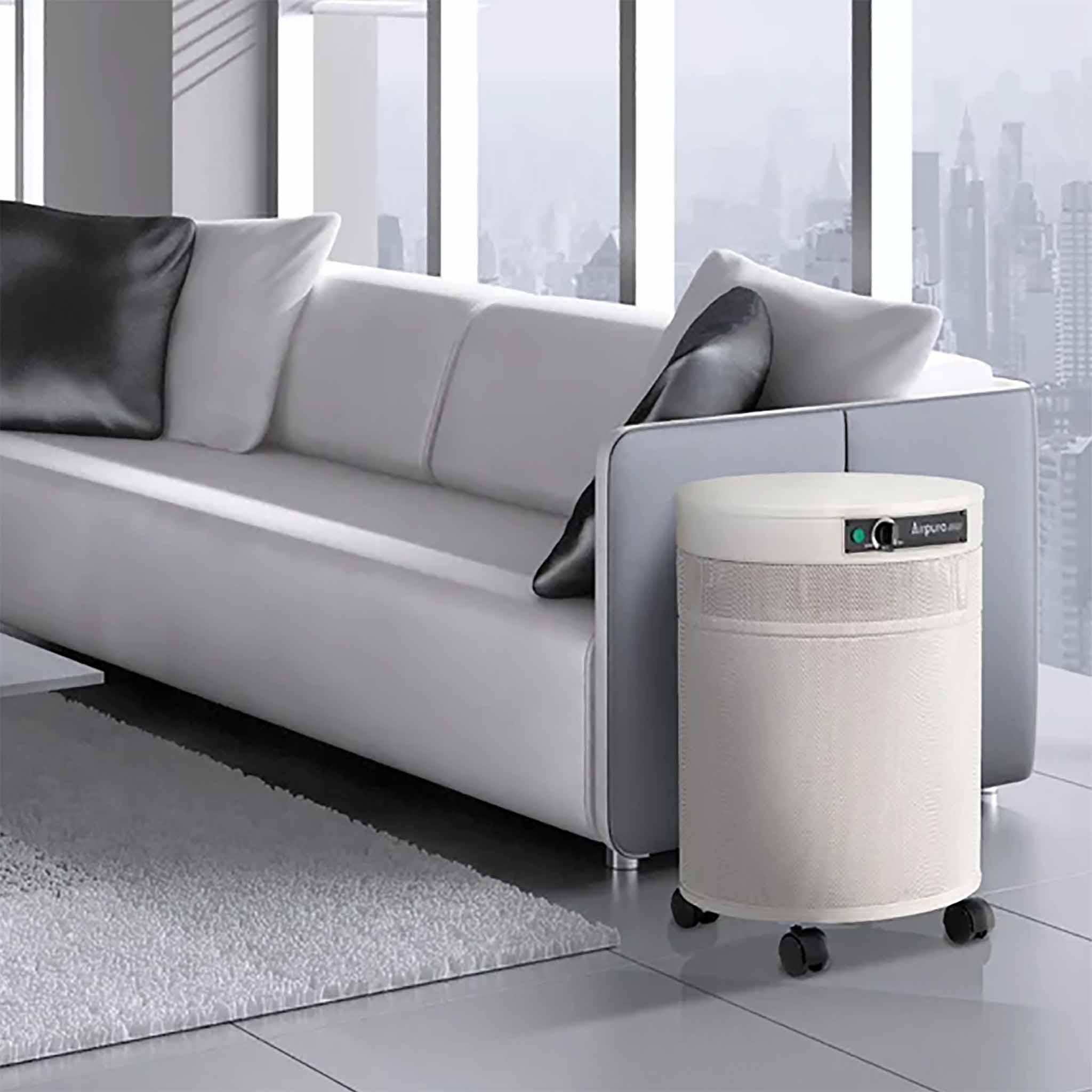
| Feature | Austin Air HealthMate | Airpura V600 | Airfree Lotus |
|---|---|---|---|
| Best For | Smoke & Large Rooms | Heavy VOCs/Chemicals | Silent Bedrooms |
| Technology | Medical HEPA + Carbon | HEPA + 26lb Carbon | Thermal Sterilization |
| Maintenance | 5-Year Filter Life | Variable Filter Life | Zero Maintenance |