 Skip to main content


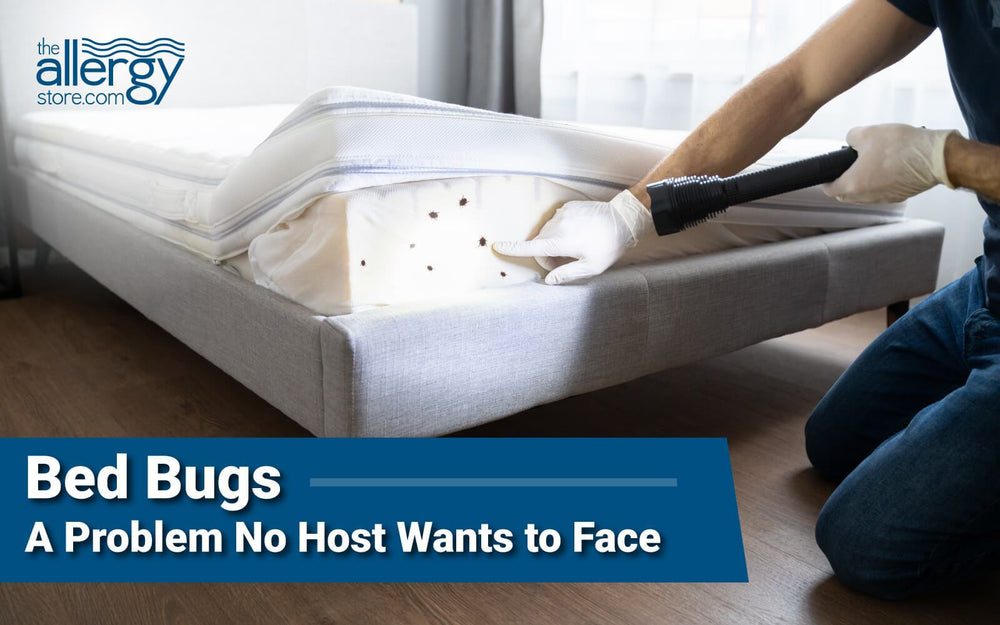
It's the message no host wants to get: "I think there are bed bugs in the room." Your stomach drops, and your calendar suddenly looks a lot emptier. If you're hoping to protect your rental from bed bugs, here's the good news. One simple step, a sealed bed bug cover on every mattress and box spring, can save you a lot of worry and money.
Bed Bugs Don't Mean Anyone Was Dirty
Let's clear this up first. When bed bugs show up, it doesn't mean your guests were careless or your place wasn't clean. The CDC is clear on this: how clean a place is doesn't decide whether bed bugs are present. They've even turned up in five-star hotels and resorts.
So how do they get in? They're hitchhikers. According to the CDC, bed bugs tuck themselves into the seams and folds of luggage, overnight bags, folded clothes, bedding, and furniture. A guest can leave home bug-free and pick them up somewhere along the way, without ever knowing.
You can screen your guests. You can't screen their suitcases. That's why the smartest move is to plan ahead.
How to Protect Your Rental From Bed Bugs
The short-term rental market is competitive. Losing booking days to pest treatment, plus replacing mattresses and box springs, is a hit most hosts would rather avoid.
That's where covers come in. The U.S. Environmental Protection Agency (EPA) recommends covers that seal mattresses and box springs, because any bed bugs trapped inside will die. A sealed cover also gives them fewer places to hide, which makes an early problem easier to spot.
Here's the thing, though. Not every mattress cover is built for bed bugs. Many protectors are fitted sheets or pads that leave the sides and bottom open. Others are fabric covers made for dust mites. We explain the difference in Are Dust Mite Proof Covers Bed Bug Proof?
What Makes a Cover Bed Bug Proof?
For bed bugs, we recommend the AllergyCare Stretch Knit (BedBug Solution Elite) encasement. It's designed to do three jobs at once:
- It zips closed around all six sides of the mattress or box spring, so there's no open edge for bugs to slip through.
- A thin urethane membrane (a flexible, breathable film) is fused to the knit fabric, so bed bugs can't bite through it.
- That same membrane makes the cover waterproof and blocks dust mite allergen, too.
Because the cover also guards against spills and stains, it helps keep your mattresses in better shape between guests. And the stretch knit sits smoothly under the sheets, so most guests won't notice it's there.
Want to compare options for every bed in your place? Our mattress protector buying guide walks through fabrics, membranes, and sizing.
Tell Your Guests. It's a Selling Point!
Once your mattresses are covered, let people know. Travelers worry about bed bugs, and a quick note that you've sealed every mattress and box spring shows you take their comfort seriously.
List bed bug covers alongside your linens in your amenities. You can also set a small card on each nightstand. Something like, "Your comfort matters to us. Every mattress, box spring, and pillow here is sealed in a protective cover," says a lot in a few words.
If a guest does bring bed bugs in, sealed covers won't solve everything on their own. Treat the room right away, and see how to identify and treat bed bug infestations. For the basics on these pests, read what bed bugs are and where they come from.
Your Next Step
Start with one room. Measure the mattress and box spring, pick your sizes, and cover them before your next check-in. Then work through the rest of the beds and futons in your place.
Have questions, or covering a whole hotel, motel, or B&B? Give us a call at 800-771-2246. We offer special programs for lodging owners, and we're always happy to help. For more ways to keep any home comfortable, visit our Allergy-Free Living Guide.
Wishing you the best of health,
Mike
Sources
- Centers for Disease Control and Prevention. About Bed Bugs. https://www.cdc.gov/bed-bugs/about/index.html
- U.S. Environmental Protection Agency. Do-it-yourself Bed Bug Control. https://www.epa.gov/bedbugs/do-it-yourself-bed-bug-control
Medical Disclaimer: The information on this page is for educational purposes only and is not a substitute for professional medical advice, diagnosis, or treatment. Always consult a qualified healthcare provider — such as an allergist or your primary care physician — before making changes to your allergy management plan, starting new treatments, or if you have questions about a medical condition. In the event of a severe allergic reaction or anaphylaxis, call 911 or your local emergency number immediately and use an epinephrine auto-injector if one has been prescribed.