 Skip to main content


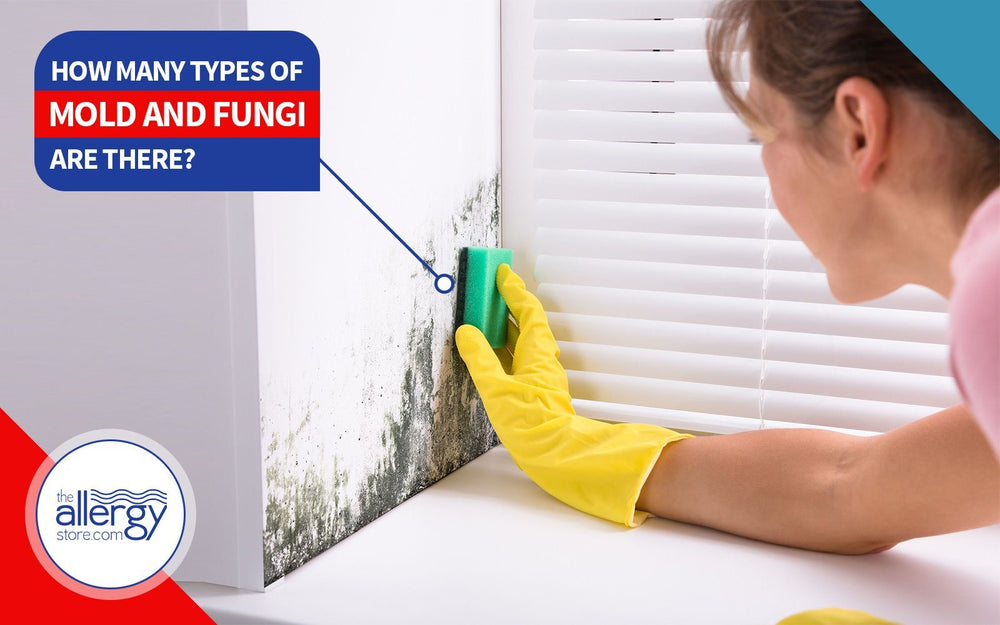
There are over 100,000 known types of mold, and most of them are not a problem. Some are even useful: Penicillium, for example, is the mold behind penicillin, a common antibiotic. Mold is also just about everywhere. The CDC says there is always some mold around, indoors and out, and no indoor space is completely free of mold spores.
So when should you worry? Here is what we have learned, what public health agencies say about mold health effects, and a rundown of the mold types you are most likely to encounter in a home.
What the CDC and EPA Say About Mold and Health
Identifying mold species by sight is a job for a trained professional, and even then, it rarely changes what you should do. The CDC is direct about this: all molds should be treated the same with respect to potential health risks and removal. You do not need to know which species you have. If you see or smell mold, clean it up and fix the moisture problem that let it grow.
That guidance also applies to so-called "black mold," usually meaning Stachybotrys chartarum. It gets a reputation as uniquely dangerous, but the CDC says Stachybotrys chartarum and other molds may cause health symptoms that are nonspecific, and no test exists that proves an association between Stachybotrys chartarum and particular health symptoms. A possible link between Stachybotrys and a rare bleeding condition in infants, raised in the 1990s, has not been proven.
Certain molds are toxigenic, meaning they can produce toxins called mycotoxins, but the CDC and NIOSH distinguish that from the mold itself being toxic or poisonous. Molds that produce mycotoxins should be considered the same as other molds that can grow in your home.
What mold reliably does, according to the EPA, is produce allergens and irritants. For people who are sensitive, that can mean hay-fever-type symptoms such as sneezing, a runny nose, red eyes, and skin rash, immediate or delayed. Mold can trigger asthma attacks in people with asthma who are allergic to it, and it can irritate the eyes, skin, nose, throat, and lungs in allergic and non-allergic people alike. People with weakened immune systems or chronic lung disease are also more likely to develop lung infections from mold.
Important note: Neither the CDC nor the EPA recommends routine mold testing in homes. There are no health-based standards for mold in indoor air, so test results are hard to interpret. If you see or smell mold, the next step is cleanup, not testing.
Common Household Molds
With that context in mind, here is a quick reference for molds you might come across. We kept the details that are useful for recognizing where each one tends to grow, and left out claims about relative danger that current research does not support.
Acremonium
Commonly found in soil and on dead plant material. Indoors, it tends to grow on wet building materials such as drywall, ceiling tiles, and building paper. It is considered allergenic and may act as a pathogen in people with weakened immune systems.
Alternaria
One of the most common molds in outdoor air, found on many plants and foods, and it favors rotting farmland manure. Indoors, it is an occasional contaminant of water-damaged, cellulose-containing materials. Alternaria is a well-known source of mold allergy.
Aspergillus
A large genus with many species. Some are considered opportunistic pathogens that can cause lung infections in people with weakened immune systems, and some produce mycotoxins and have been linked to allergic reactions and hypersensitivity pneumonitis, an inflammatory lung reaction. Aspergillus species are often among the first molds to grow on water-damaged materials.
Aureobasidium
A yeast-like fungus often found on caulk or damp window frames in bathrooms. It can be pink or black and may also grow on siding, especially in cooler climates. Infections are rare, but it can be allergenic.
Basidiospores
Spores from a large group that includes mushrooms, puffballs, rusts, and smuts, and that is frequently associated with dry rot. High indoor levels can contribute to allergy symptoms. One species in this group, Poria incrassata, is a wood-decay fungus that has caused structural damage in severely infested buildings.
Botrytis
Most often associated with plants; it can cause allergic asthma after indoor exposure. Levels tend to be highest in greenhouses or other humid, plant-filled spaces.
Chaetomium
Found on deteriorating wood products and water-damaged drywall, and known for a musty odor. Its health effects are not well studied, though some of its compounds have occasionally been identified as mutagenic (capable of causing genetic changes) in laboratory studies.
Cladosporium
The mold most commonly found in both outdoor and indoor air, and it often shows up at elevated levels in water-damaged environments.
Fusarium
Found in soil and on plants worldwide, including crops such as corn and barley. It can grow on water-damaged carpet and other building materials, has been linked to worsened allergies and asthma, and can produce mycotoxins. It can also cause infection in people with weakened immune systems.
Mucor
A fast-growing mold found worldwide, often on dung and moist hay. It is a mild allergen and may cause rare infections in people with weakened immune systems.
Penicillium
Common indoors, where it is often used as an indicator of dampness, and it frequently produces a strong musty odor. It is also a well-known source of allergic reactions and hypersensitivity pneumonitis, and some species produce mycotoxins. Certain Penicillium species, unrelated to the mold found growing indoors, are used to manufacture the antibiotic penicillin.
Rhizopus
Common in house dust, soil, and spoiling fruits, vegetables, and leftovers. Large exposures have been linked to respiratory symptoms. It can be allergenic and, in people with weakened immune systems (including those with diabetic ketoacidosis, malnutrition, or severe burns), an opportunistic pathogen.
Stachybotrys chartarum
Often called "black mold," though it is actually greenish-black. It needs sustained moisture and grows on wet, cellulose-rich materials, such as drywall, that have stayed wet for an extended period. Some strains can produce mycotoxins, including compounds called satratoxins. As the callout above explains, the CDC says it should be treated the same as other molds found indoors, and no test currently proves it causes specific health symptoms.
Trichoderma
A widespread soil fungus that can grow in carpet, on unglazed ceramics, and on paper in damp homes. Some species produce metabolites related to trichothecenes, compounds also associated with Stachybotrys, and it is considered an allergen that may infect people with weakened immune systems.
Ulocladium
Needs a lot of water to grow, so it is considered a strong indicator of water damage when found on very wet walls or particleboard. It is allergenic and may add to the allergy burden of people who already react to Alternaria.
Wallemia
Found worldwide in house dust, air, dry foods, and soil, including materials with high salt content. It is an allergen and may produce mycotoxins.
Yeast
Common in moist environments and able to grow with limited oxygen. It can cause allergic reactions and, in some cases, act as an opportunistic pathogen.
Tip: Most mold identification guides, including this one, are meant for general background, not diagnosis. If you want to know exactly what species is growing in your home, that calls for a trained inspector, not a visual guide.
What Should I Do If I Find Mold?
The EPA's advice is straightforward, and it does not depend on which mold species you have:
- Address the moisture first. Mold control starts with moisture control. Fix leaky plumbing and other sources of water, and dry water-damaged areas and items within 24 to 48 hours to prevent new growth.
- Clean hard surfaces. Wash mold off hard surfaces with detergent and water, then dry completely.
- Replace what you can't clean. Absorbent or porous materials that become moldy, such as ceiling tiles or carpet, often need to be replaced rather than cleaned.
- Protect yourself while you work. The CDC recommends at least an N-95 respirator, goggles, and protective gloves when cleaning mold.
- Call in a professional for larger jobs. If the moldy area is large, if you are unsure how to proceed safely, or if you have health conditions that make exposure riskier, a professional mold remediation company can assess the area and handle the cleanup.
Dealing with mold or musty odors at home?
Shop mold and mildew control productsFrequently Asked Questions
Is black mold more dangerous than other molds?
There is no good evidence that it is. "Black mold" usually means Stachybotrys chartarum, and the CDC says it should be treated the same as other molds found indoors. No test currently proves that Stachybotrys chartarum causes specific health symptoms.
Do I need to know which type of mold I have?
No. The CDC says all molds should be treated the same with respect to potential health risks and removal. If you see or smell mold, the next step is cleanup and fixing the moisture problem, not identifying the species.
Should I get my home tested for mold?
Neither the CDC nor the EPA recommends routine mold testing in homes. There are no health-based standards for mold in indoor air, so results are hard to interpret. If you see or smell mold, clean it up rather than testing first.
Can mold affect my health even if I'm not allergic to it?
Yes. The EPA notes that mold exposure can irritate the eyes, skin, nose, throat, and lungs in both allergic and non-allergic people. People with asthma, weakened immune systems, or chronic lung disease are more likely to have a reaction.
The Bottom Line
You do not need to identify the exact mold growing in your home to know what to do about it. If you see it or smell it, clean it up and fix the moisture problem behind it. If you have asthma, allergies, or a weakened immune system, or if the affected area is large, bring in a professional rather than tackling it alone.
Not sure where to start with a mold problem?
We've been helping people with allergies and asthma find the right products and approach since 1989.
Shop mold and mildew controlPrefer to talk it through? Call us at (800) 771-2246.
Sources
Centers for Disease Control and Prevention. About Mold.
Centers for Disease Control and Prevention. Facts About Stachybotrys chartarum.
Centers for Disease Control and Prevention / NIOSH. Mold, Testing, and Remediation.
Centers for Disease Control and Prevention. You Can Control Mold Factsheet.
U.S. Environmental Protection Agency. Mold and Health.
Medical disclaimer: This content is for educational and informational purposes only and is not intended as medical advice. Always consult a qualified healthcare provider regarding allergies, asthma, or other medical conditions.
Want the complete picture? This page is part of our free Practical Guide to Allergy-Free Living, which draws on decades of allergy expertise and covers dust mites, pet dander, air quality, laundry, and more. Start at the beginning or jump to the section that matters most to you.